Compare Local Contractors for Expert Tree Shaping Services
Compare local contractors for tree shaping services to define project scope, verify experience, and set clear expectations in writing for a successful outcome.
Tree shaping service contractors typically handle a variety of work related to the design, modification, and training of trees to achieve specific aesthetic or functional goals. This can include pruning to create artistic forms, guiding growth for structural purposes, or training young trees to develop into desired shapes. These services often involve careful planning and precise execution to ensure that the final result aligns with the property owner’s vision while maintaining the health and stability of the trees involved.
Defining the scope of the project is an essential step in working with tree shaping contractors. Clear communication about what is expected-such as the extent of shaping, the types of trees involved, and the desired outcomes-helps prevent misunderstandings and ensures that both parties are aligned. Documenting these details in writing can serve as a reference throughout the project, providing clarity and helping to set realistic expectations. A well-defined scope also assists in evaluating whether a contractor’s expertise and experience match the specific requirements of the work.
Property owners seeking to compare local contractors should consider several factors to make informed choices. It’s useful to verify each service provider’s experience with tree shaping projects similar in scope and style. Reviewing their portfolio or asking for references can provide insights into their capabilities. Additionally, understanding how each contractor approaches project planning, communication, and scope definition can help determine which provider is the best fit. Comparing these aspects across several local options can facilitate finding a contractor that aligns with the property owner’s goals and ensures the work is managed professionally and effectively.
Compare local contractors by outlining your project priorities, verifying experience, and setting clear expectations in writing.
- Compare Contractor Experience - Review the background and project history of local contractors to ensure they have relevant expertise in tree shaping.
- Define Project Scope Clearly - Establish detailed expectations and work parameters in writing to avoid misunderstandings.
- Verify Credentials and References - Check references and previous work to assess the reliability and skill of potential service providers.
- Assess Communication and Professionalism - Evaluate how contractors communicate and handle project details to determine their professionalism.
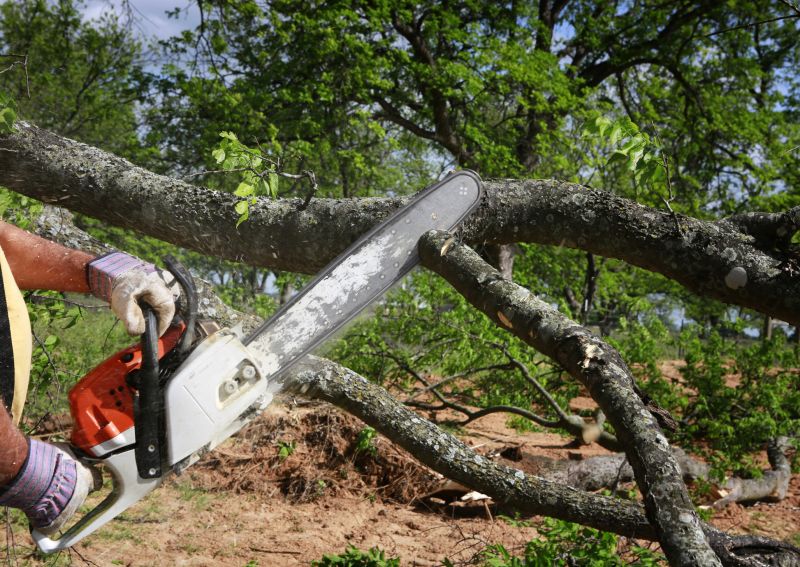
Clearly define your tree shaping project and compare local contractors based on experience and written expectations.
- Verify the contractor’s experience specifically with tree shaping services to ensure expertise in the field. - Look for service providers who clearly define the scope of work and project expectations in written agreements.
- Compare multiple local contractors to evaluate their methods and approaches for shaping trees safely and effectively. - Ensure that the contractors have a consistent process that aligns with your desired outcome.
- Check references or reviews to assess the quality of previous tree shaping projects completed by the service provider. - Seek feedback on the contractor’s professionalism, craftsmanship, and adherence to project details.
- Confirm that the contractor provides detailed written estimates that outline the work involved and materials used. - Clear documentation helps prevent misunderstandings and sets clear expectations for the project.
- Assess the contractor’s understanding of tree health and growth to ensure shaping techniques do not compromise tree vitality. - Choose service providers who prioritize the long-term health of the trees they work on.
- Ensure the scope of work includes cleanup and site restoration to maintain safety and aesthetics after shaping is completed. - Clarify that all debris and equipment will be managed properly during and after the project.
Compare local contractors, clarify project scope, verify experience, and document expectations clearly.
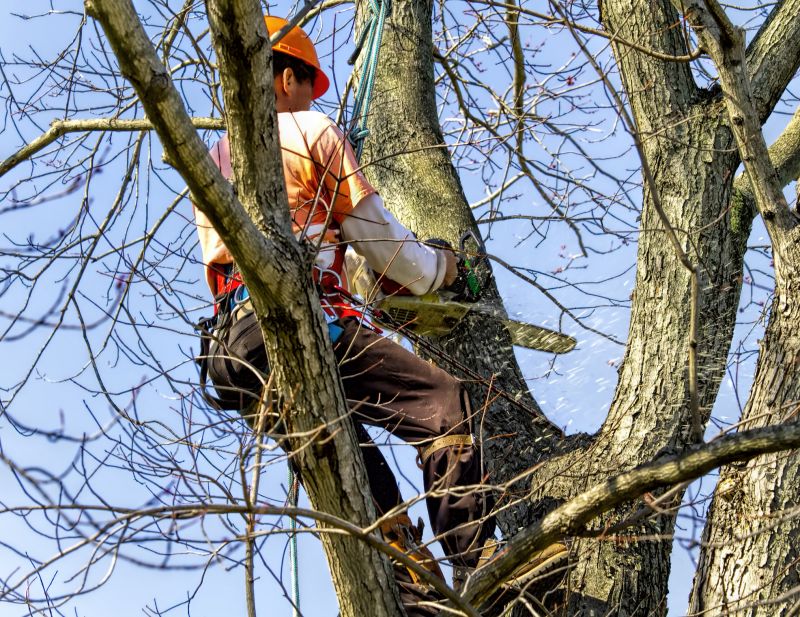
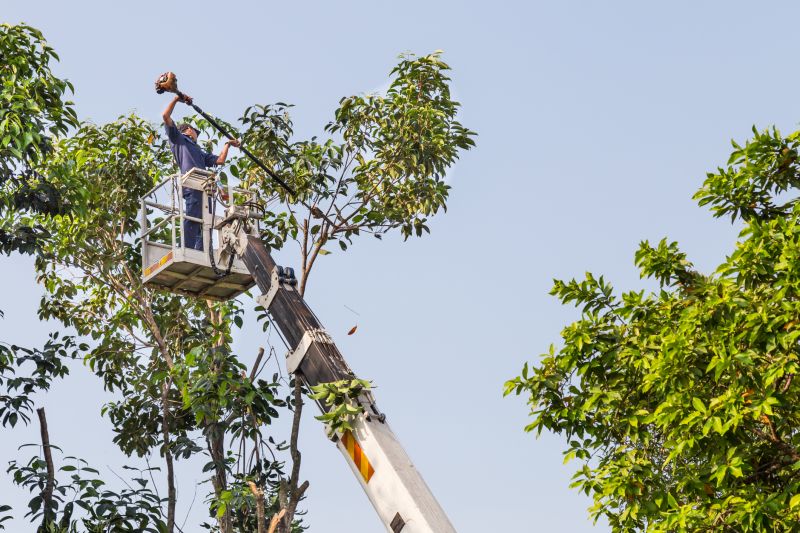
Use consistent comparison criteria to evaluate local contractors’ scope, experience, and written expectations for tree shaping services.
- Define scope of tree shaping services - specify the types of shaping techniques and the extent of work required.
- Identify experience levels of local contractors - verify the background and expertise of service providers in tree shaping.
- Establish project expectations in writing - clearly outline the work to be performed and desired outcomes.
- Compare service offerings and approaches - evaluate how different local contractors plan to execute the shaping process.
- Verify credentials and references - ensure the quality and reliability of potential service providers through reviews or past work.
When comparing contractors for tree shaping services, it is important to evaluate their experience with similar projects. Homeowners should seek out service providers who have a proven track record in shaping and sculpting trees comparable in size, species, or design complexity. Asking for examples of past work or references related to tree shaping projects can help gauge a contractor’s familiarity with the techniques and challenges specific to this specialty. A contractor’s experience can influence the quality and durability of the shaping work, making it a key factor in selecting the right professional.
A clear, written scope of work is essential when assessing different contractors. Homeowners should request detailed descriptions of the services included, such as the specific shaping techniques, the extent of pruning or training, and any follow-up maintenance or adjustments. Having a well-defined scope helps prevent misunderstandings and ensures that expectations are aligned from the outset. It also provides a basis for comparing what each service provider is offering, making it easier to identify who can meet the project’s unique requirements.
Verification of a contractor’s background involves more than just checking references; it includes understanding their approach to quality and professionalism. Homeowners can inquire about the methods used, the materials involved, and the steps taken to protect surrounding landscape features during the shaping process. While formal licensing or certification may not be required, verifying that a contractor adheres to industry standards and practices can provide confidence in their ability to deliver consistent results. Gathering this information helps ensure that the chosen service provider is capable of managing the project effectively.
Evaluating options without focusing on prices involves carefully comparing the scope, experience, and communication clarity of each contractor. Homeowners should consider how well each service provider understands the project’s needs and whether their proposals are thorough and transparent. Asking questions about their process, timelines, and how they handle unexpected issues can reveal their professionalism and reliability. By focusing on these qualitative factors, homeowners can make an informed decision that aligns with their project goals and expectations, leading to a successful tree shaping outcome.
Ask for written scope of work to ensure clear expectations and consistent understanding with local contractors.
- Experience and Expertise - What specific experience do local contractors have with tree shaping projects similar to this scope?
- Scope of Work - How do contractors define and document the scope of the tree shaping services they provide?
- Materials and Techniques - What methods and materials do local service providers use to ensure the desired shaping results?
- Project Expectations - How do contractors clarify the expected outcomes and limitations of the tree shaping work in writing?
- Comparison Criteria - What factors should be considered when comparing different local contractors’ approaches and experience for tree shaping?
What should I consider when choosing a contractor for tree shaping? It's important to compare the experience and reputation of local contractors, review their past work, and ensure clear communication about project scope and expectations.
How can I verify a contractor's experience in tree shaping? You can ask for references or examples of previous projects, and check if the contractor has a history of successfully completing similar jobs in your area.
What details should be included in a written agreement with a tree shaping contractor? The agreement should specify the scope of work, materials to be used, project expectations, and any other relevant details to ensure clarity and mutual understanding.
Is it important to compare multiple contractors before hiring for tree shaping? Yes, comparing different service providers helps assess their expertise, approach, and professionalism, aiding in selecting the best match for your project needs.
What questions should I ask a contractor during the initial consultation? Inquire about their experience with tree shaping projects, their process, and how they define the scope of work to ensure alignment with your goals.
Why is it beneficial to define project expectations in writing? Having a written outline helps prevent misunderstandings, ensures both parties agree on the work to be performed, and provides a reference throughout the project.
By exploring the information provided, visitors have gained a clearer understanding of how to approach finding the right contractors for tree shaping services. They now know the importance of defining the scope of work, verifying experience, and establishing clear expectations in writing to facilitate a smooth process. Comparing local contractors can help identify options that align with individual project needs and preferences.
Utilizing the quote form allows visitors to easily compare and connect with local service providers who can handle tree shaping projects. Taking the time to detail project specifics and review responses can support making informed decisions when selecting a contractor suited to the requirements at hand.