Compare Local Contractors for Safe Tree Limb Removal Services
Compare local contractors for tree limb removal to define scope, verify experience, and set clear expectations for a safe, effective job.
Tree limbs removal is a specialized service that generally involves trimming or cutting away overgrown or hazardous branches to improve the health, safety, and appearance of trees on a property. This work can include removing dead or diseased limbs, pruning to prevent interference with structures or power lines, and thinning out dense canopies to promote better growth. Properly executed, it enhances safety by reducing the risk of falling branches and helps maintain the overall health of the trees, contributing to the aesthetic appeal of the landscape.
Clearly defining the scope of tree limbs removal is essential for ensuring that property owners receive the services they need without misunderstandings. A detailed scope might specify which trees or branches are to be addressed, the extent of trimming, and any particular concerns such as proximity to structures or utility lines. Having these details in writing helps set realistic expectations and provides a basis for communication with service providers, making it easier to compare estimates and verify that contractors understand the work required.
When evaluating local contractors for tree limbs removal, property owners should consider factors such as experience, reputation, and the scope of services offered. It’s helpful to review the contractor’s previous work, seek references, and verify that their expertise aligns with the specific needs of the property. Comparing service providers based on their ability to clearly define and deliver the scope of work can lead to better outcomes. Ensuring that all aspects of the project are outlined in writing supports transparency and helps property owners make informed decisions when selecting a contractor for tree limbs removal.
Compare local contractors by outlining your project priorities, verifying experience, and clearly defining scope and expectations in writing.
- Compare Contractor Experience - Review the background and expertise of local contractors to ensure they are qualified for tree limb removal.
- Define Project Scope Clearly - Establish detailed work parameters to set accurate expectations and prevent misunderstandings.
- Verify Credentials and References - Check references and previous work to assess the reliability and quality of local service providers.
- Document Agreements in Writing - Ensure all project details, including scope and responsibilities, are confirmed in a written agreement.
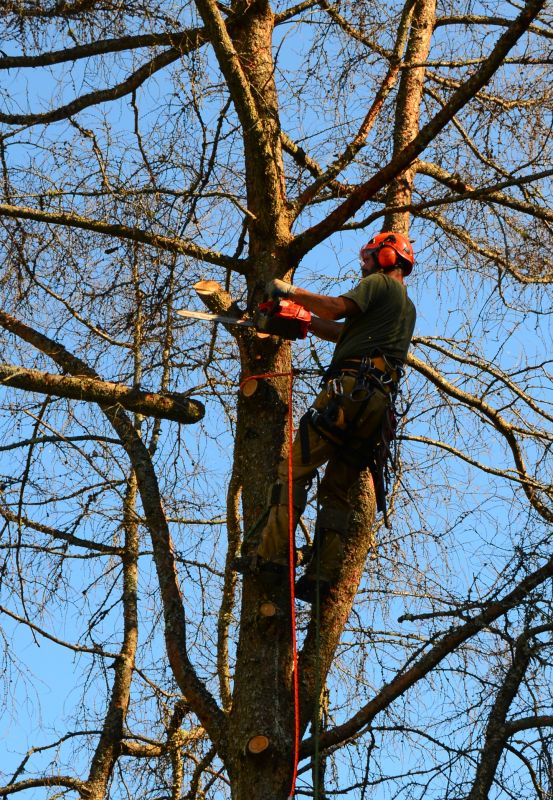
Clearly describe your tree limbs removal project to compare local contractors, verify their experience, and set expectations in writing.
- Assess the contractor’s experience with tree limb removal to ensure familiarity with the scope of work. - Verify that the service providers clearly define the extent of limb removal and related tasks in written agreements.
- Compare multiple local contractors to evaluate their methods and approach for safe and effective limb removal. - Look for detailed descriptions of the process and equipment used to ensure proper technique.
- Check that contractors identify potential hazards, such as proximity to structures or power lines, during the planning stage. - Ensure safety considerations are addressed before work begins.
- Confirm that the scope of work includes cleanup and debris removal to maintain property safety and appearance. - Clarify what is included in the service to avoid misunderstandings.
- Review the contractors’ references or past work to gauge their experience handling similar limb removal projects. - Use this information to compare expertise levels among local service providers.
- Ensure all work expectations, limitations, and scope are documented in a detailed written agreement before work starts. - Clear documentation helps prevent disputes and sets proper expectations.
Compare local contractors, clarify project scope, verify experience, and document expectations for a successful tree limb removal.
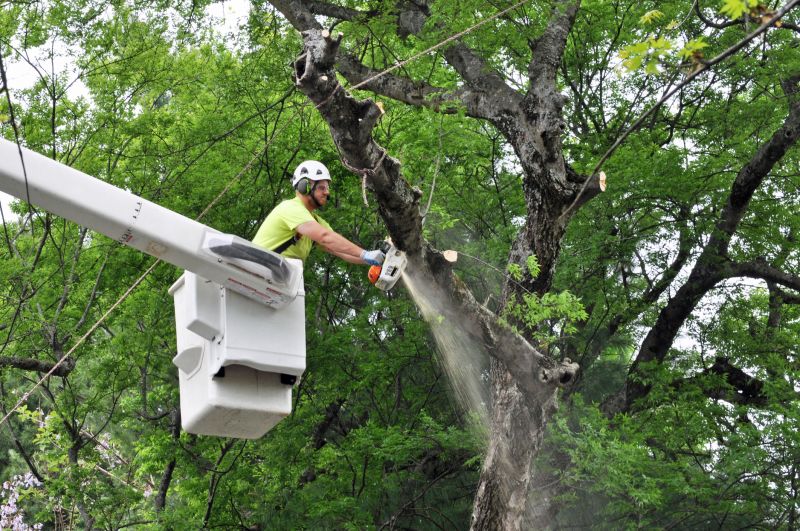
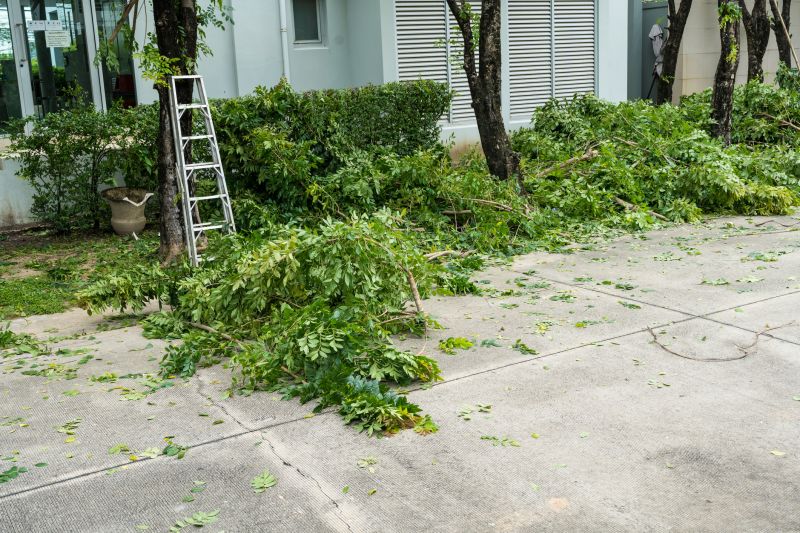
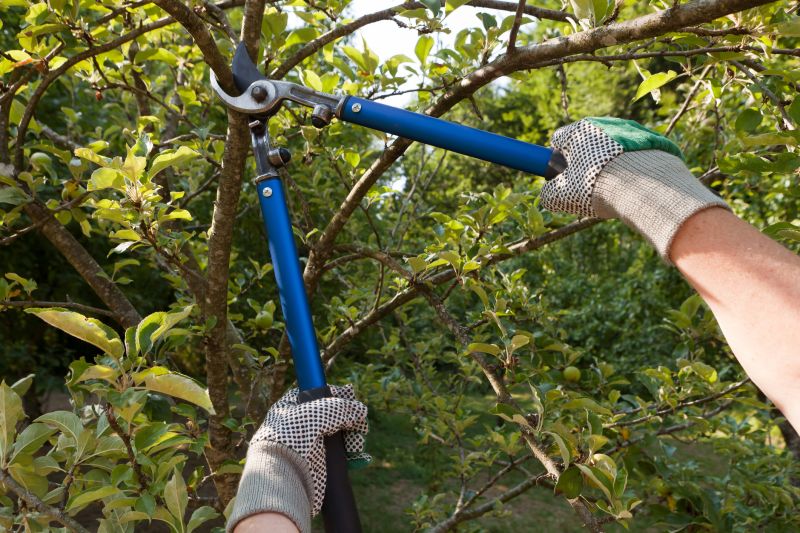
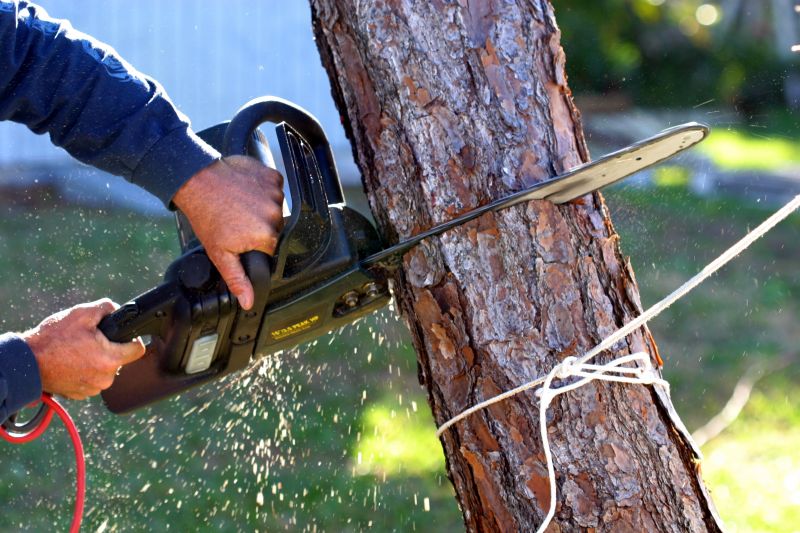
This section helps compare local contractors for tree limb removal by defining scope, verifying experience, and setting clear expectations.
- Define Scope of Work - clearly specify which tree limbs are to be removed and any surrounding areas affected.
- Verify Experience - assess the experience and background of local contractors performing limb removal.
- Establish Safety Procedures - outline safety measures and protocols to be followed during limb removal.
- Determine Equipment Needs - identify the tools and machinery required for the scope of limb removal.
- Set Documentation Expectations - agree on written descriptions of work performed and any applicable cleanup procedures.
When evaluating contractors for tree limb removal, it is important to consider their experience with similar projects. Look for service providers who have a proven track record of handling tree limb removal in environments comparable to your property. An experienced contractor will be familiar with the challenges specific to your area, such as local tree species, common weather conditions, and property layouts, which can influence the approach and safety considerations of the work.
Clear, written scope of work is essential when comparing contractors. A detailed description of the services to be performed helps ensure that both parties have aligned expectations. This scope should specify the number and size of limbs to be removed, the methods to be used, and any cleanup or disposal procedures. Having this information in writing provides clarity and serves as a reference point throughout the project, reducing the potential for misunderstandings.
Verification of a contractor’s background can be approached through several basic checks. Request references or examples of past projects similar in scope, and inquire about their experience with those jobs. Confirm that the contractor has the necessary equipment and safety measures in place, and ensure they have a good reputation within the local community. While licensing and certification are not discussed here, verifying a contractor’s local presence and reputation can help gauge their reliability and professionalism.
When comparing options, it is helpful to ask for detailed proposals that outline the scope of work, methods, and any specific procedures. Review these proposals carefully to assess consistency and thoroughness. Avoid relying solely on verbal assurances; instead, focus on written documentation that clearly defines what will be done, how it will be accomplished, and how any issues will be addressed. This approach helps set proper expectations and makes it easier to evaluate the suitability of different service providers.
Request written scope details from local contractors to ensure clear expectations and consistent project understanding.
- Scope of Work - What specific tree limb removal services are included and are there any limitations?
- Experience and Expertise - How long have the local contractors been performing tree limb removal, and what is their level of experience?
- Insurance and Liability - Do the service providers carry appropriate insurance to cover potential damages or accidents during the work?
- Work Practices - What methods and equipment do the local contractors use to ensure safe and effective limb removal?
- Written Agreements - Can the scope and details of the work be clearly documented in a written agreement before starting?
How can I compare contractors for tree limb removal? To compare local service providers, review their experience, verify their credentials, and check reviews or references to ensure they meet your expectations for the job.
What should I consider when defining the scope of tree limb removal? Clearly identify which limbs need removal, the size and location of the branches, and any safety concerns to help contractors understand the work required.
How do I verify a contractor’s experience with tree limb removal? Ask for details about their previous projects, years of experience, and whether they have handled similar tree types or limb sizes to ensure they are qualified for the job.
Why is it important to have the scope of work in writing? Having a detailed, written scope helps prevent misunderstandings, sets clear expectations, and provides a record of what is agreed upon for the project.
What questions should I ask contractors during the comparison process? Inquire about their process for limb removal, safety practices, equipment used, and how they handle cleanup to assess their professionalism and suitability.
How can I ensure that a contractor is experienced with tree limb removal? Review their portfolio, request references, and confirm that they have handled similar projects to gain confidence in their expertise.
By understanding the importance of clearly defining the scope of tree limb removal projects, verifying the experience of service providers, and setting expectations in writing, visitors can make more informed decisions when choosing contractors. Comparing options through the provided quote form helps to identify the right local contractors for specific needs, ensuring a transparent and straightforward process. Utilizing these steps can lead to a more confident selection of qualified service providers.
Taking the time to evaluate local contractors based on scope, experience, and written agreements supports a smoother and more transparent experience. The quote form offers an effective way to compare multiple service providers, making it easier to find options that align with individual project requirements. This approach helps facilitate a better understanding of available services and sets the foundation for a successful collaboration.