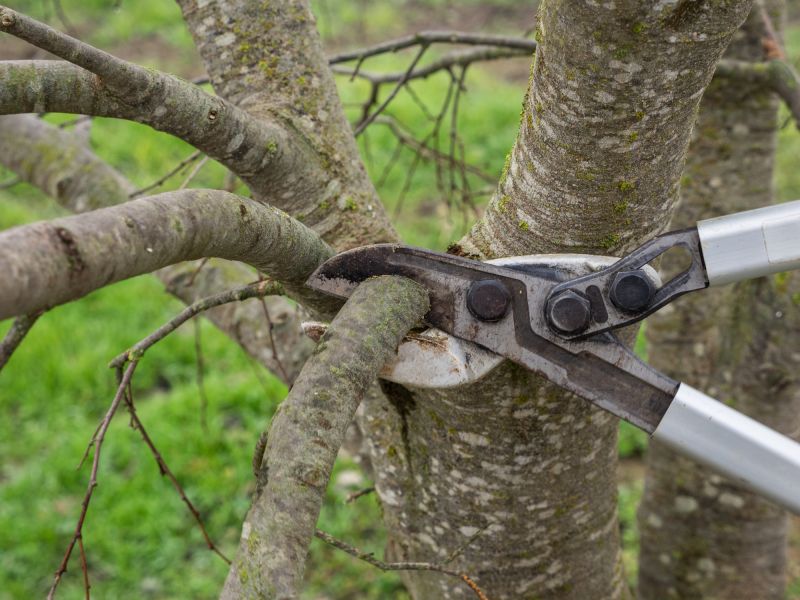
Canopy Pruning in Allentown, PA
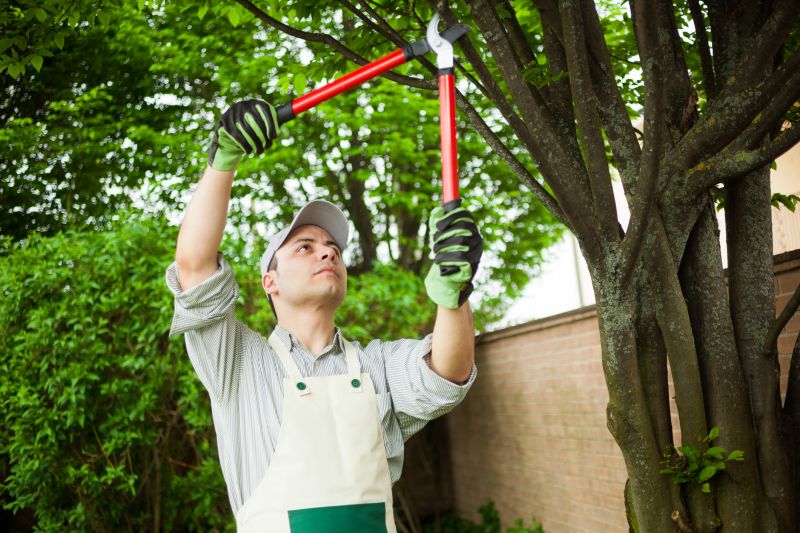
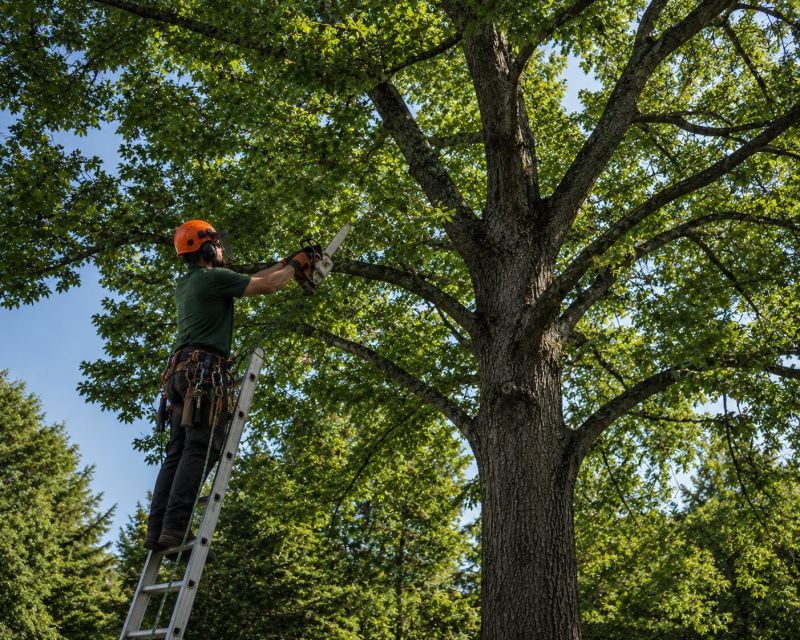
Canopy pruning services involve carefully trimming and shaping the upper branches of trees to promote healthy growth, improve appearance, and maintain safety on residential properties. This type of pruning is often requested for mature trees that have overgrown or developed uneven canopies, as well as for trees near structures, power lines, or pathways where overhanging branches may pose risks. Homeowners typically seek canopy pruning to enhance their landscape’s aesthetics, prevent potential damage, and ensure the tree's overall health.
Before requesting canopy pruning, property owners should consider the current condition of their trees, including any signs of disease, dead or broken branches, or overcrowding within the canopy. It’s also helpful to understand the specific goals for the project, such as structural balance, clearance from buildings, or aesthetic shaping. Clear communication about the desired outcome can help ensure the pruning process aligns with property maintenance needs and safety considerations.
Many property owners in Allentown, PA look into Canopy Pruning for repairs, replacements, upgrades, and appearance-related improvements.
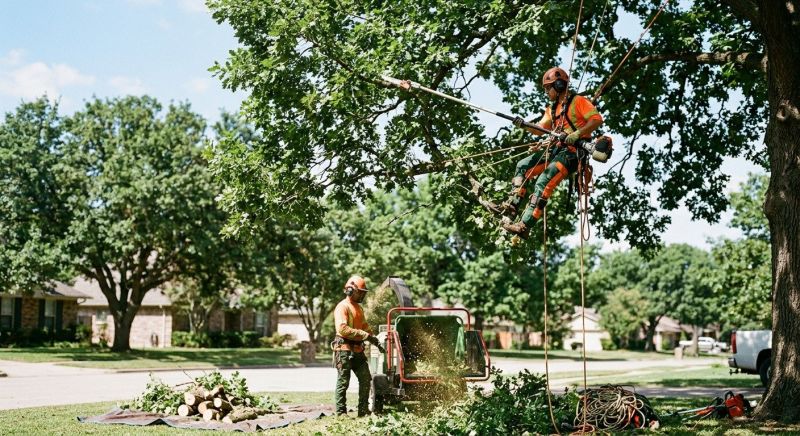
Benefits Of Canopy Pruning
Proper canopy pruning enhances tree health and improves overall appearance for residential and commercial properties.
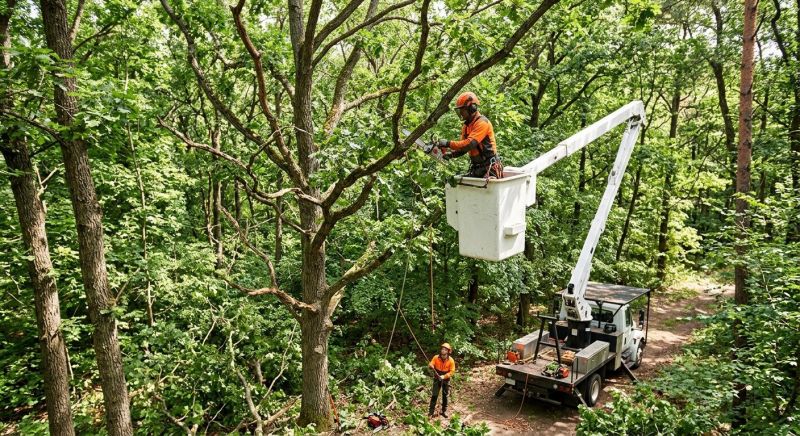
Common Canopy Pruning Techniques
Techniques include thinning, crown reduction, and shaping to maintain safety and aesthetic appeal in allentown landscapes.
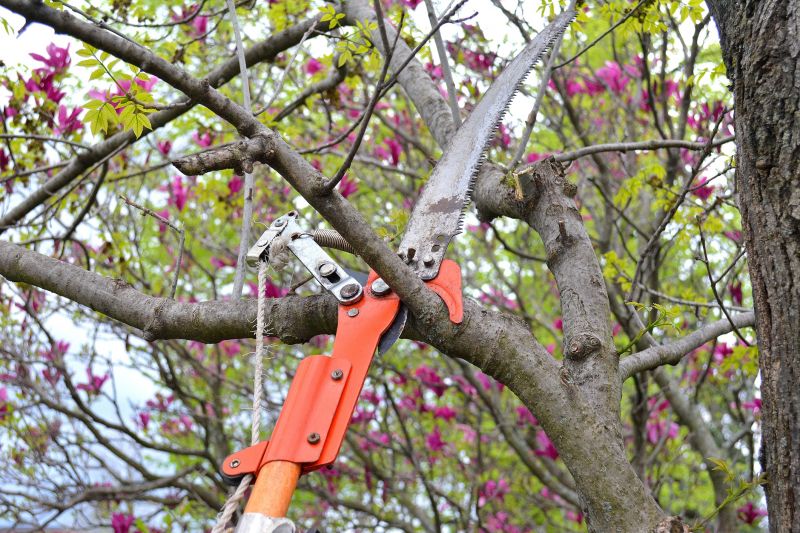
Reasons To Consider Canopy Pruning
Canopy pruning helps prevent storm damage, promotes new growth, and maintains clear sightlines around properties in the area.
Canopy Pruning in Allentown, PA

Canopy pruning services involve carefully trimming and shaping the upper branches of trees to promote healthy growth, improve appearance, and maintain safety on residential properties. This type of pruning is often requested for mature trees that have overgrown or developed uneven canopies, as well as for trees near structures, power lines, or pathways where overhanging branches may pose risks. Homeowners typically seek canopy pruning to enhance their landscape’s aesthetics, prevent potential damage, and ensure the tree's overall health.
Before requesting canopy pruning, property owners should consider the current condition of their trees, including any signs of disease, dead or broken branches, or overcrowding within the canopy. It’s also helpful to understand the specific goals for the project, such as structural balance, clearance from buildings, or aesthetic shaping. Clear communication about the desired outcome can help ensure the pruning process aligns with property maintenance needs and safety considerations.
Many property owners in Allentown, PA look into Canopy Pruning for repairs, replacements, upgrades, and appearance-related improvements.
Common Canopy Pruning Jobs
Canopy Pruning - selective trimming to improve canopy structure and health.
Tree Crown Thinning - reducing density for better light penetration and airflow.
Structural Pruning - removing weak or crossing branches to strengthen the canopy.
Deadwood Removal - eliminating dead or damaged branches to prevent decay and pests.
Formative Pruning - shaping young trees for proper growth and development.
Storm Damage Pruning - addressing broken or hazardous branches after severe weather.
Canopy Pruning Questions
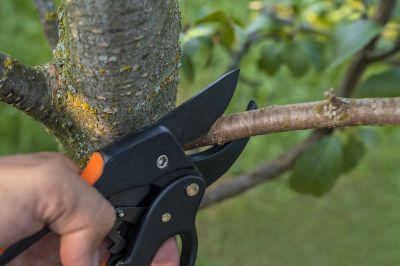
What is canopy pruning? Canopy pruning involves selectively trimming branches to improve tree health, shape, and safety.
When is the best time for canopy pruning? The ideal time is during late winter or early spring before new growth begins.
What benefits does canopy pruning provide? It enhances tree structure, reduces risk of falling branches, and encourages healthy growth.
Are there any risks with canopy pruning? Improper pruning can harm the tree or cause structural issues; professional techniques help prevent this.
Request Canopy Pruning in Allentown, PA
Use the quote form on this page to share the basics of your project and request more information for the type of work you need.